Buy fotoworkshops.eu ?
We are moving the project
fotoworkshops.eu .
Are you interested in purchasing the domain
fotoworkshops.eu ?
domain@kv-gmbh.de · 0541-91531010
Buy fotoworkshops.eu ?
Is a mirror lens suitable for astrophotography?
A mirror lens can be suitable for astrophotography, especially for capturing objects like the moon and certain bright stars. Mirror lenses are compact, lightweight, and typically have a long focal length, making them useful for capturing distant objects in the night sky. However, they may not provide the same level of image quality or sharpness as traditional lenses, and they can produce a donut-shaped bokeh effect in out-of-focus areas. Overall, while mirror lenses can be a cost-effective option for astrophotography, they may not be the best choice for capturing detailed or high-quality images of celestial objects. **
Is a mirror telephoto lens suitable for astrophotography?
A mirror telephoto lens can be suitable for astrophotography, as it typically has a longer focal length which can help in capturing distant celestial objects. However, there are some limitations to consider. Mirror lenses have a fixed aperture, which may not be ideal for capturing faint objects in low light conditions. Additionally, they can produce a donut-shaped bokeh effect in out-of-focus areas, which may not be desirable for certain astrophotography compositions. Ultimately, the suitability of a mirror telephoto lens for astrophotography will depend on the specific requirements of the photographer and the desired results. **

Similar search terms for Mirror
Top-Angebote
Products related to Mirror:


-
Where is the fine difference between a focus mirror and a focus star?
The fine difference between a focus mirror and a focus star lies in their physical properties and the way they manipulate light. A focus mirror is a reflective surface that redirects light rays to a specific point, creating a focused image. On the other hand, a focus star is a point light source that emits light in all directions, and its focus is determined by the lens or mirror it passes through. In essence, a focus mirror manipulates incoming light, while a focus star emits light. **
-
Is the makeup mirror lighting from Ikea with music or LEDs?
The makeup mirror lighting from Ikea is equipped with LEDs. These energy-efficient lights provide a bright and even illumination for applying makeup. The LEDs also have a longer lifespan compared to traditional light bulbs, making them a practical choice for a makeup mirror. **
-
Is there a mirror universe or mirror universes?
The concept of a mirror universe or parallel universe is a popular theme in science fiction, but there is currently no scientific evidence to support the existence of such a universe. In theoretical physics, the idea of multiple universes or parallel dimensions is a topic of speculation, but it remains a hypothetical concept without empirical evidence. While it is an intriguing idea, the existence of a mirror universe or mirror universes is currently purely speculative and not supported by scientific observation or experimentation. **
-
What do you think of the Dörr Danubia Mirror Telephoto Lens 500mm?
The Dörr Danubia Mirror Telephoto Lens 500mm is a compact and lightweight lens that offers a long reach for capturing distant subjects. Its mirror design allows for a relatively small and portable lens, making it convenient for outdoor photography and wildlife observation. However, the mirror design also results in a fixed aperture and a unique "doughnut" shaped bokeh, which may not be suitable for all types of photography. Overall, the Dörr Danubia Mirror Telephoto Lens 500mm can be a good option for those looking for a budget-friendly and portable telephoto lens with a long focal length. **


How does the zenith mirror work in conjunction with the Barlow lens?
The zenith mirror and Barlow lens work together to allow for comfortable viewing of celestial objects. The zenith mirror is a 90-degree angle mirror that redirects the light path from the telescope's objective lens to a more convenient angle for viewing. The Barlow lens is used to increase the magnification of the telescope. When used together, the zenith mirror allows for easy viewing at a comfortable angle, while the Barlow lens enhances the magnification of the image, providing a closer look at the celestial objects. **
How can one program a Magic Mirror or Smart Mirror themselves?
To program a Magic Mirror or Smart Mirror yourself, you will need a two-way mirror, a monitor, a Raspberry Pi or similar microcomputer, and programming skills. You can use software like MagicMirror², which is an open-source platform that allows you to customize the display with modules for weather, news, calendar, and more. You will need to set up the hardware components, install the necessary software, and configure the modules to display the information you want. Additionally, you can add custom features by writing your own code or integrating third-party APIs. **
Top-Angebote
Products related to Mirror:
-
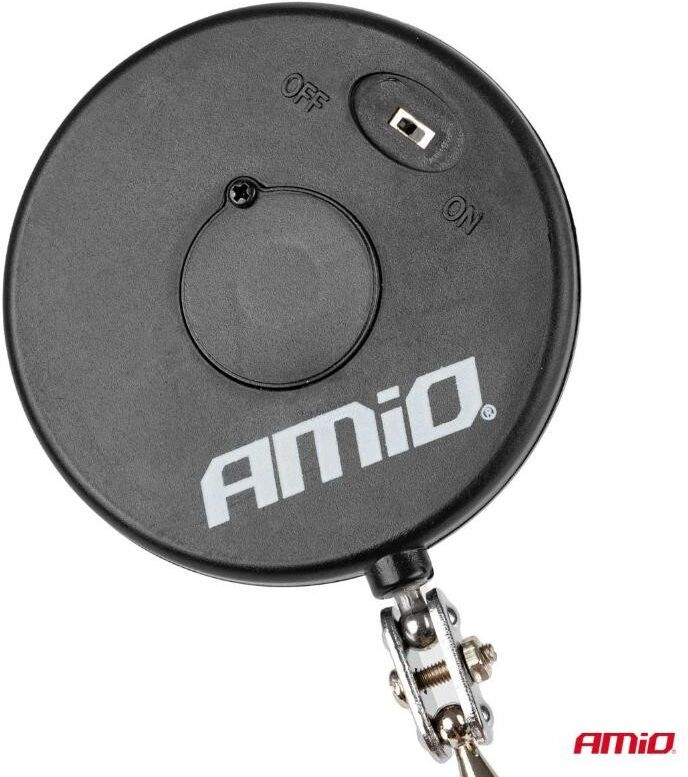
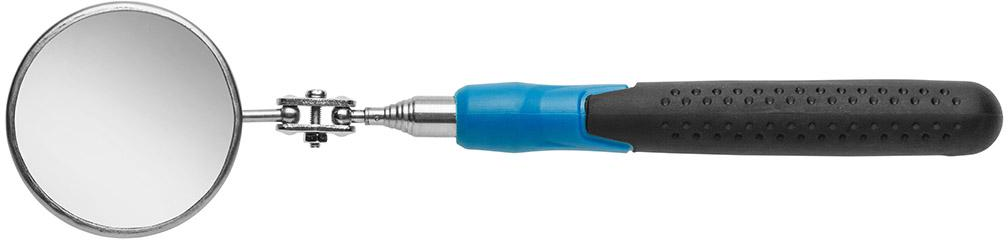
AMiO 02840 Workshop MirrorTool handle material: Plastic, Elastomer; Diameter: 50; Mirror Length [mm]: 280 - 870; Immersion tube length [mm]: 175 - 765; Mirror diameter [mm]: 50; Viewing Angle [°]: 360; Housing material: Aluminium; Lamp Type: LED; Container Type: Blister Pack5,99 £*Shipping: 8,45 £Secure redirect to the provider
-
Is a mirror lens suitable for astrophotography?
A mirror lens can be suitable for astrophotography, especially for capturing objects like the moon and certain bright stars. Mirror lenses are compact, lightweight, and typically have a long focal length, making them useful for capturing distant objects in the night sky. However, they may not provide the same level of image quality or sharpness as traditional lenses, and they can produce a donut-shaped bokeh effect in out-of-focus areas. Overall, while mirror lenses can be a cost-effective option for astrophotography, they may not be the best choice for capturing detailed or high-quality images of celestial objects. **
-
Is a mirror telephoto lens suitable for astrophotography?
A mirror telephoto lens can be suitable for astrophotography, as it typically has a longer focal length which can help in capturing distant celestial objects. However, there are some limitations to consider. Mirror lenses have a fixed aperture, which may not be ideal for capturing faint objects in low light conditions. Additionally, they can produce a donut-shaped bokeh effect in out-of-focus areas, which may not be desirable for certain astrophotography compositions. Ultimately, the suitability of a mirror telephoto lens for astrophotography will depend on the specific requirements of the photographer and the desired results. **
-
Where is the fine difference between a focus mirror and a focus star?
The fine difference between a focus mirror and a focus star lies in their physical properties and the way they manipulate light. A focus mirror is a reflective surface that redirects light rays to a specific point, creating a focused image. On the other hand, a focus star is a point light source that emits light in all directions, and its focus is determined by the lens or mirror it passes through. In essence, a focus mirror manipulates incoming light, while a focus star emits light. **
-
Is the makeup mirror lighting from Ikea with music or LEDs?
The makeup mirror lighting from Ikea is equipped with LEDs. These energy-efficient lights provide a bright and even illumination for applying makeup. The LEDs also have a longer lifespan compared to traditional light bulbs, making them a practical choice for a makeup mirror. **
Similar search terms for Mirror
-
Is there a mirror universe or mirror universes?
The concept of a mirror universe or parallel universe is a popular theme in science fiction, but there is currently no scientific evidence to support the existence of such a universe. In theoretical physics, the idea of multiple universes or parallel dimensions is a topic of speculation, but it remains a hypothetical concept without empirical evidence. While it is an intriguing idea, the existence of a mirror universe or mirror universes is currently purely speculative and not supported by scientific observation or experimentation. **
-
What do you think of the Dörr Danubia Mirror Telephoto Lens 500mm?
The Dörr Danubia Mirror Telephoto Lens 500mm is a compact and lightweight lens that offers a long reach for capturing distant subjects. Its mirror design allows for a relatively small and portable lens, making it convenient for outdoor photography and wildlife observation. However, the mirror design also results in a fixed aperture and a unique "doughnut" shaped bokeh, which may not be suitable for all types of photography. Overall, the Dörr Danubia Mirror Telephoto Lens 500mm can be a good option for those looking for a budget-friendly and portable telephoto lens with a long focal length. **
-
How does the zenith mirror work in conjunction with the Barlow lens?
The zenith mirror and Barlow lens work together to allow for comfortable viewing of celestial objects. The zenith mirror is a 90-degree angle mirror that redirects the light path from the telescope's objective lens to a more convenient angle for viewing. The Barlow lens is used to increase the magnification of the telescope. When used together, the zenith mirror allows for easy viewing at a comfortable angle, while the Barlow lens enhances the magnification of the image, providing a closer look at the celestial objects. **
-
How can one program a Magic Mirror or Smart Mirror themselves?
To program a Magic Mirror or Smart Mirror yourself, you will need a two-way mirror, a monitor, a Raspberry Pi or similar microcomputer, and programming skills. You can use software like MagicMirror², which is an open-source platform that allows you to customize the display with modules for weather, news, calendar, and more. You will need to set up the hardware components, install the necessary software, and configure the modules to display the information you want. Additionally, you can add custom features by writing your own code or integrating third-party APIs. **
* All prices are inclusive of VAT and, if applicable, plus shipping costs. The offer information is based on the details provided by the respective shop and is updated through automated processes. Real-time updates do not occur, so deviations can occur in individual cases. ** Note: Parts of this content were created by AI.