Buy fotoworkshops.eu ?
We are moving the project
fotoworkshops.eu .
Are you interested in purchasing the domain
fotoworkshops.eu ?
domain@kv-gmbh.de · 0541-91531010
Buy fotoworkshops.eu ?
What lighting is ideal for a workshop?
The ideal lighting for a workshop is bright, even, and consistent. This can be achieved with overhead LED lights or fluorescent fixtures to provide ample illumination for detailed tasks. It's also important to have adjustable task lighting for specific work areas, such as desk lamps or portable work lights. Additionally, natural light from windows or skylights can help to reduce eye strain and create a more comfortable working environment. **
Why won't the lens of Nikon D3000 focus?
There could be several reasons why the lens of a Nikon D3000 won't focus. It could be due to a dirty or smudged lens, a malfunctioning autofocus system, or a problem with the camera's settings. Additionally, the lens may not be properly attached to the camera body, or there could be a mechanical issue with the lens itself. It's important to troubleshoot and eliminate these potential issues to determine the exact cause of the focusing problem. **

Similar search terms for Mixology
Top-Angebote
Products related to Mixology:
-
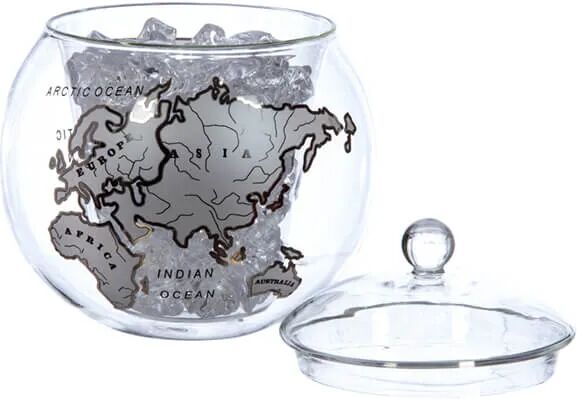
Mixology Vintage Globe Ice Bucket GoldServe your ice in style with the Mixology Vintage Globe Ice Bucket in Gold. The double walled construction of this ice bucket will keep your ice chilled for longer, especially when you use the glass lid which has a silicone rim for a tight and secure seal. Measuring 17cm in diameter and with a 1.2 litre capacity, this vintage style ice bucket is finished with a decorative map of the world printed in an antique gold finish. Supplied in a smart gift box.16,00 £*Shipping: 3,50 £Secure redirect to the provider
-
Mixology Vintage Globe Ice Bucket SilverServe your ice in style with the Mixology Vintage Globe Ice Bucket in Silver. The double walled construction of this ice bucket will keep your ice chilled for longer, especially when you use the glass lid which has a silicone rim for a tight and secure seal. Measuring 17cm in diameter and with a 1.2 litre capacity, this vintage style ice bucket is finished with a decorative map of the world printed in an antique silver finish. Supplied in a smart gift box.16,00 £*Shipping: 3,50 £Secure redirect to the provider


-
Why is the lens focus ring not turning?
The lens focus ring may not be turning due to a mechanical issue such as a jammed or broken mechanism within the lens. It could also be due to a software issue, such as the camera not being properly connected to the lens or a malfunction in the autofocus system. Additionally, the lens may be in manual focus mode, which would prevent the focus ring from turning when using autofocus. It's important to troubleshoot the issue by checking the camera and lens settings, as well as inspecting the physical condition of the lens for any visible damage. If the issue persists, it may be necessary to seek professional repair or replacement of the lens. **
-
How to focus a manual lens on a gimbal?
To focus a manual lens on a gimbal, you will need to adjust the focus ring on the lens itself. Start by setting your camera to manual focus mode. Use the gimbal's controls to stabilize the camera and frame your shot. Then, carefully turn the focus ring on the lens until your subject is in sharp focus. It may take some practice to get the hang of smoothly adjusting the focus while using a gimbal, but with patience and practice, you will be able to achieve crisp, focused shots. **
-
How do you adjust the focus on a lens?
To adjust the focus on a lens, you typically rotate the focus ring on the lens barrel. Turn the ring clockwise or counterclockwise until the subject appears sharp in the viewfinder or on the camera's LCD screen. You can also use the camera's autofocus system to automatically adjust the focus by half-pressing the shutter button or using a designated autofocus button. Additionally, some lenses have a switch to toggle between autofocus and manual focus modes, allowing you to manually adjust the focus by rotating the focus ring. **
-
What is the difference between shutter speed and exposure time on a camera?
Shutter speed and exposure time are often used interchangeably, but they refer to slightly different concepts in photography. Shutter speed specifically refers to the amount of time the camera's shutter remains open to allow light to hit the camera sensor, measured in fractions of a second (e.g., 1/1000s). Exposure time, on the other hand, encompasses the total duration of time the sensor is exposed to light, including the time the shutter is open and any additional delay before or after the exposure. In practical terms, both terms are crucial in determining the amount of light that reaches the sensor and ultimately affects the brightness and sharpness of the image. **
What is the difference between shutter speed and exposure time in a camera?
Shutter speed and exposure time are often used interchangeably, but they actually refer to different aspects of a camera's operation. Shutter speed specifically refers to the amount of time the camera's shutter remains open to allow light to reach the camera's sensor, typically measured in fractions of a second. Exposure time, on the other hand, refers to the total duration of time that the camera's sensor is exposed to light, including both the time the shutter is open and any additional time the sensor may be active to capture the image. In essence, shutter speed is a specific aspect of exposure time, with the latter encompassing the entire duration of light exposure for a given photograph. **
What is the infinite focus on a 50mm 1.8f lens?
The infinite focus on a 50mm 1.8f lens refers to the point at which objects at an infinite distance appear sharp and in focus when the lens is set to its minimum focusing distance. This setting is commonly used for landscape photography or when capturing distant subjects. By setting the lens to infinite focus, photographers can ensure that objects in the distance are sharp and clear in their images. **
Top-Angebote
Products related to Mixology:
-
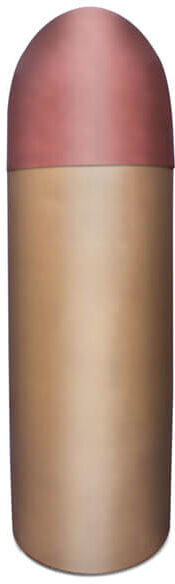
Mixology Bullet Cocktail ShakerFire up your party with this impressive Mixology Bullet Cocktail Shaker. This mighty cocktail shaker has a brass plated body with a copper plated tip, a generous 700ml capacity and a built in strainer. Approximate Mixology bullet cocktail shaker dimensions: H27cm x DIA7.5cm. Hand wash only. Supplied in a smart gift box.22,49 £*Shipping: 3,50 £Secure redirect to the provider
-
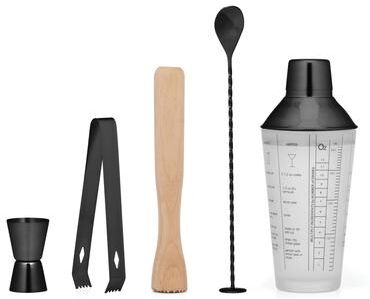
Touch of Mixology Rose Gold Mixology Bartender Kit With Bamboo Stand (14-Piece)This 14-piece mixology bartender kit gives you everything you need to craft cocktails at home. The stainless steel tools arrive on a bamboo display stand that keeps them organized and looks great on a bar cart or countertop.51,49 $*Shipping: 0,00 $Secure redirect to the provider
-
Mixology Vintage Globe Ice Bucket GoldServe your ice in style with the Mixology Vintage Globe Ice Bucket in Gold. The double walled construction of this ice bucket will keep your ice chilled for longer, especially when you use the glass lid which has a silicone rim for a tight and secure seal. Measuring 17cm in diameter and with a 1.2 litre capacity, this vintage style ice bucket is finished with a decorative map of the world printed in an antique gold finish. Supplied in a smart gift box.16,00 £*Shipping: 3,50 £Secure redirect to the provider
-
Mixology Vintage Globe Ice Bucket SilverServe your ice in style with the Mixology Vintage Globe Ice Bucket in Silver. The double walled construction of this ice bucket will keep your ice chilled for longer, especially when you use the glass lid which has a silicone rim for a tight and secure seal. Measuring 17cm in diameter and with a 1.2 litre capacity, this vintage style ice bucket is finished with a decorative map of the world printed in an antique silver finish. Supplied in a smart gift box.16,00 £*Shipping: 3,50 £Secure redirect to the provider
-
What lighting is ideal for a workshop?
The ideal lighting for a workshop is bright, even, and consistent. This can be achieved with overhead LED lights or fluorescent fixtures to provide ample illumination for detailed tasks. It's also important to have adjustable task lighting for specific work areas, such as desk lamps or portable work lights. Additionally, natural light from windows or skylights can help to reduce eye strain and create a more comfortable working environment. **
-
Why won't the lens of Nikon D3000 focus?
There could be several reasons why the lens of a Nikon D3000 won't focus. It could be due to a dirty or smudged lens, a malfunctioning autofocus system, or a problem with the camera's settings. Additionally, the lens may not be properly attached to the camera body, or there could be a mechanical issue with the lens itself. It's important to troubleshoot and eliminate these potential issues to determine the exact cause of the focusing problem. **
-
Why is the lens focus ring not turning?
The lens focus ring may not be turning due to a mechanical issue such as a jammed or broken mechanism within the lens. It could also be due to a software issue, such as the camera not being properly connected to the lens or a malfunction in the autofocus system. Additionally, the lens may be in manual focus mode, which would prevent the focus ring from turning when using autofocus. It's important to troubleshoot the issue by checking the camera and lens settings, as well as inspecting the physical condition of the lens for any visible damage. If the issue persists, it may be necessary to seek professional repair or replacement of the lens. **
-
How to focus a manual lens on a gimbal?
To focus a manual lens on a gimbal, you will need to adjust the focus ring on the lens itself. Start by setting your camera to manual focus mode. Use the gimbal's controls to stabilize the camera and frame your shot. Then, carefully turn the focus ring on the lens until your subject is in sharp focus. It may take some practice to get the hang of smoothly adjusting the focus while using a gimbal, but with patience and practice, you will be able to achieve crisp, focused shots. **
Similar search terms for Mixology
-
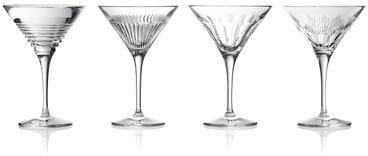
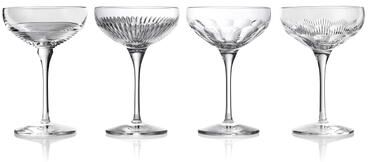
Waterford Mixology Martini 8floz, Mixed Set of 4Immerse yourself in the art of Mixology. With its unique designs, this esteemed barware collection heightens your favourite cocktails, introducing the elegance and expertise of mixology into your home.460,00 $*Shipping: 0,00 $Secure redirect to the provider
-
Waterford Mixology Coupe Large 9floz, Mixed Set of 4Dive into the world of Mixology. With its distinct forms, this celebrated barware collection enhances your favourite cocktails, infusing your home with the sophistication and skill of mixology.460,00 $*Shipping: 0,00 $Secure redirect to the provider
-
How do you adjust the focus on a lens?
To adjust the focus on a lens, you typically rotate the focus ring on the lens barrel. Turn the ring clockwise or counterclockwise until the subject appears sharp in the viewfinder or on the camera's LCD screen. You can also use the camera's autofocus system to automatically adjust the focus by half-pressing the shutter button or using a designated autofocus button. Additionally, some lenses have a switch to toggle between autofocus and manual focus modes, allowing you to manually adjust the focus by rotating the focus ring. **
-
What is the difference between shutter speed and exposure time on a camera?
Shutter speed and exposure time are often used interchangeably, but they refer to slightly different concepts in photography. Shutter speed specifically refers to the amount of time the camera's shutter remains open to allow light to hit the camera sensor, measured in fractions of a second (e.g., 1/1000s). Exposure time, on the other hand, encompasses the total duration of time the sensor is exposed to light, including the time the shutter is open and any additional delay before or after the exposure. In practical terms, both terms are crucial in determining the amount of light that reaches the sensor and ultimately affects the brightness and sharpness of the image. **
-
What is the difference between shutter speed and exposure time in a camera?
Shutter speed and exposure time are often used interchangeably, but they actually refer to different aspects of a camera's operation. Shutter speed specifically refers to the amount of time the camera's shutter remains open to allow light to reach the camera's sensor, typically measured in fractions of a second. Exposure time, on the other hand, refers to the total duration of time that the camera's sensor is exposed to light, including both the time the shutter is open and any additional time the sensor may be active to capture the image. In essence, shutter speed is a specific aspect of exposure time, with the latter encompassing the entire duration of light exposure for a given photograph. **
-
What is the infinite focus on a 50mm 1.8f lens?
The infinite focus on a 50mm 1.8f lens refers to the point at which objects at an infinite distance appear sharp and in focus when the lens is set to its minimum focusing distance. This setting is commonly used for landscape photography or when capturing distant subjects. By setting the lens to infinite focus, photographers can ensure that objects in the distance are sharp and clear in their images. **
* All prices are inclusive of VAT and, if applicable, plus shipping costs. The offer information is based on the details provided by the respective shop and is updated through automated processes. Real-time updates do not occur, so deviations can occur in individual cases. ** Note: Parts of this content were created by AI.